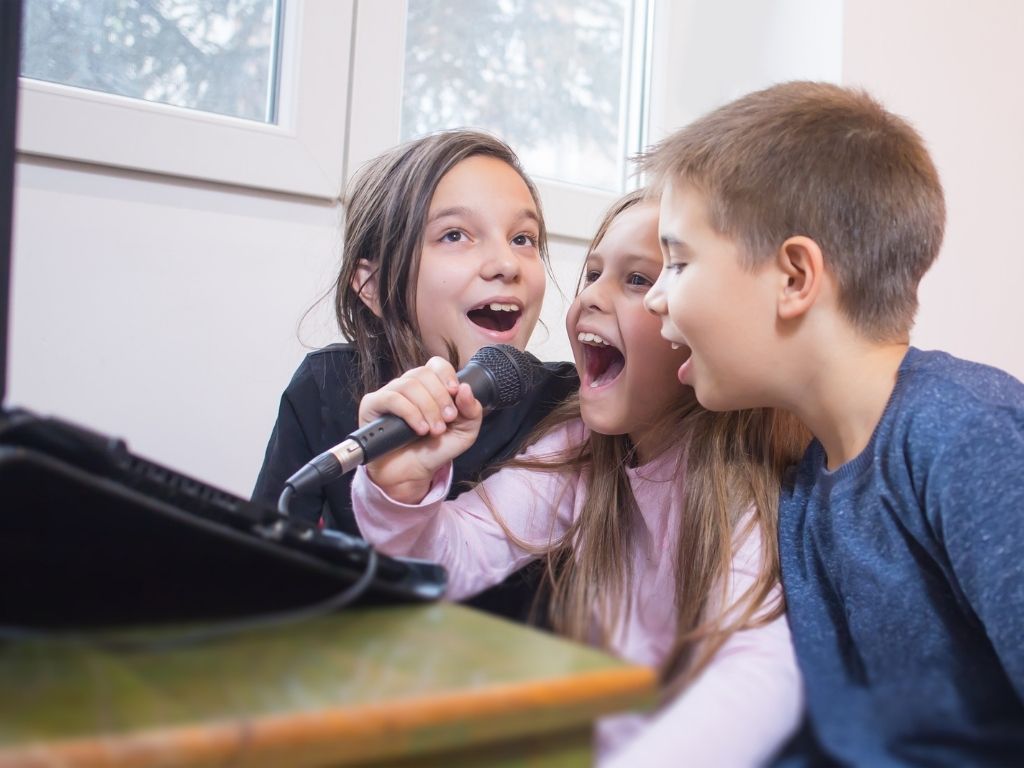
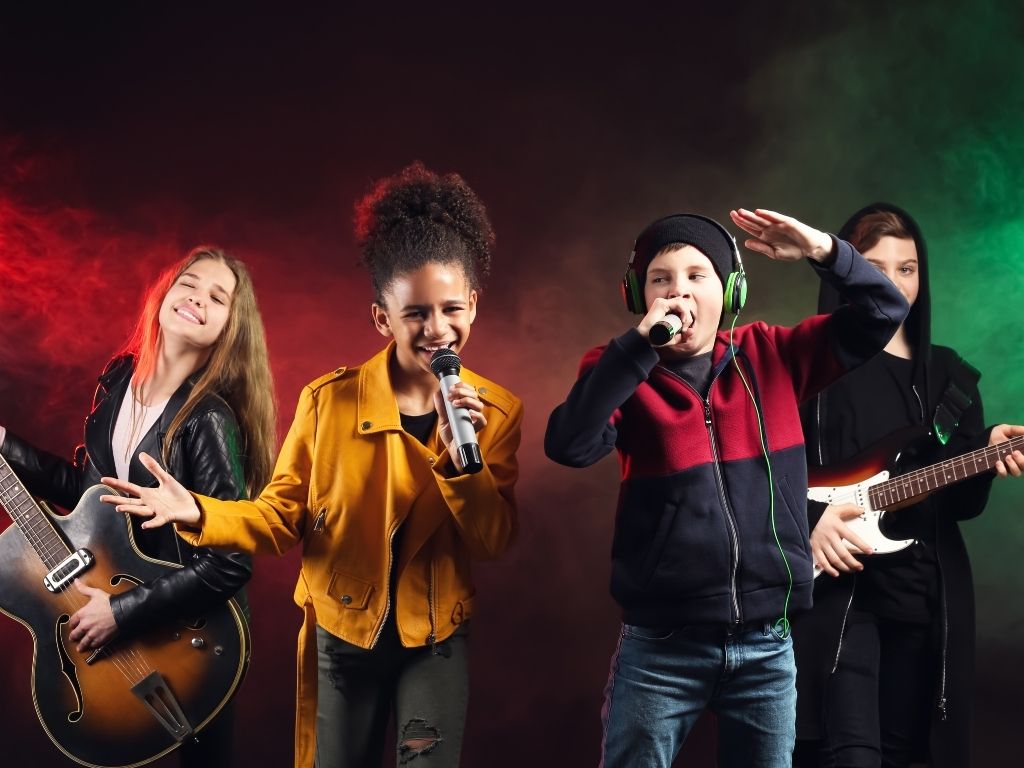
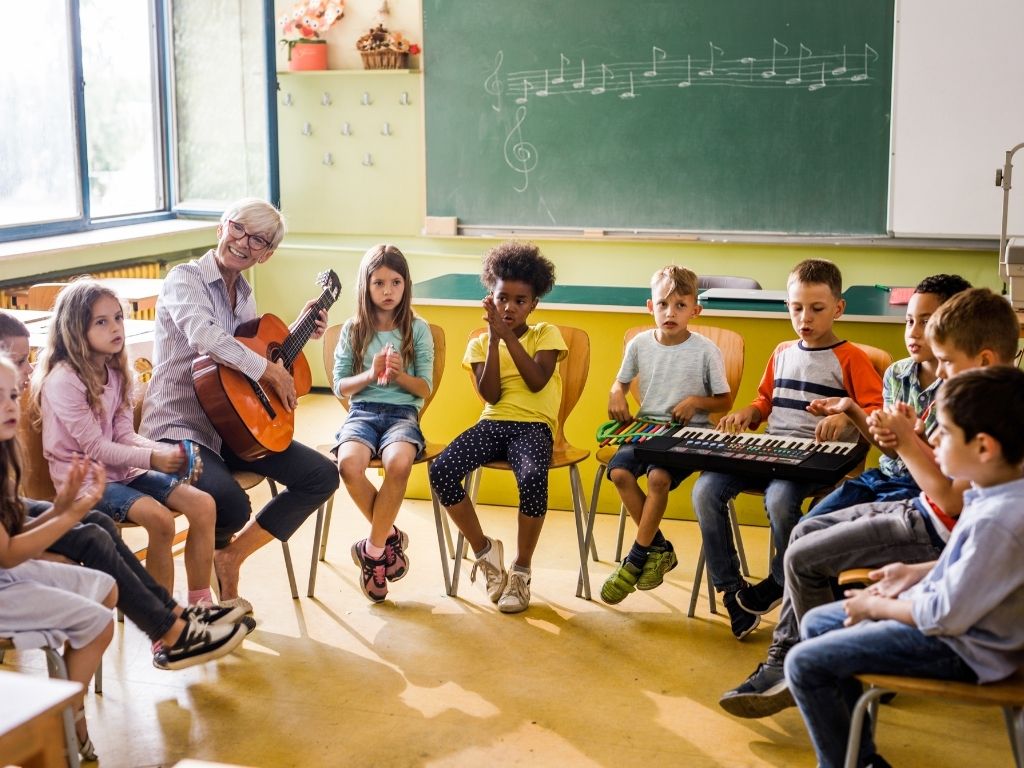
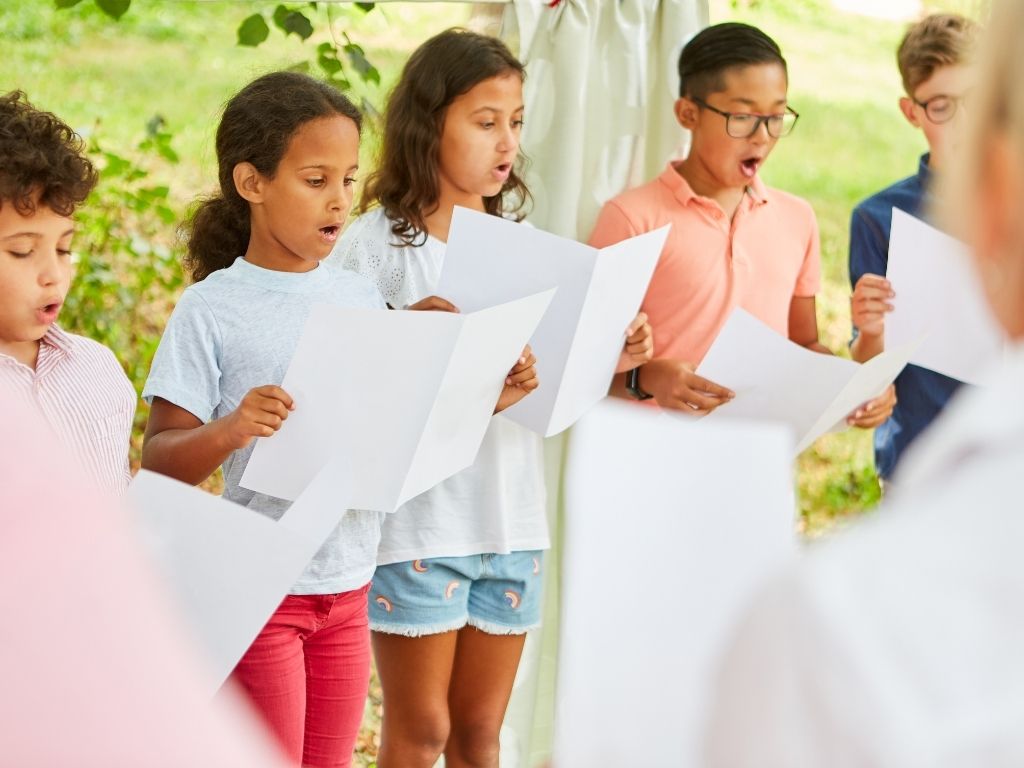
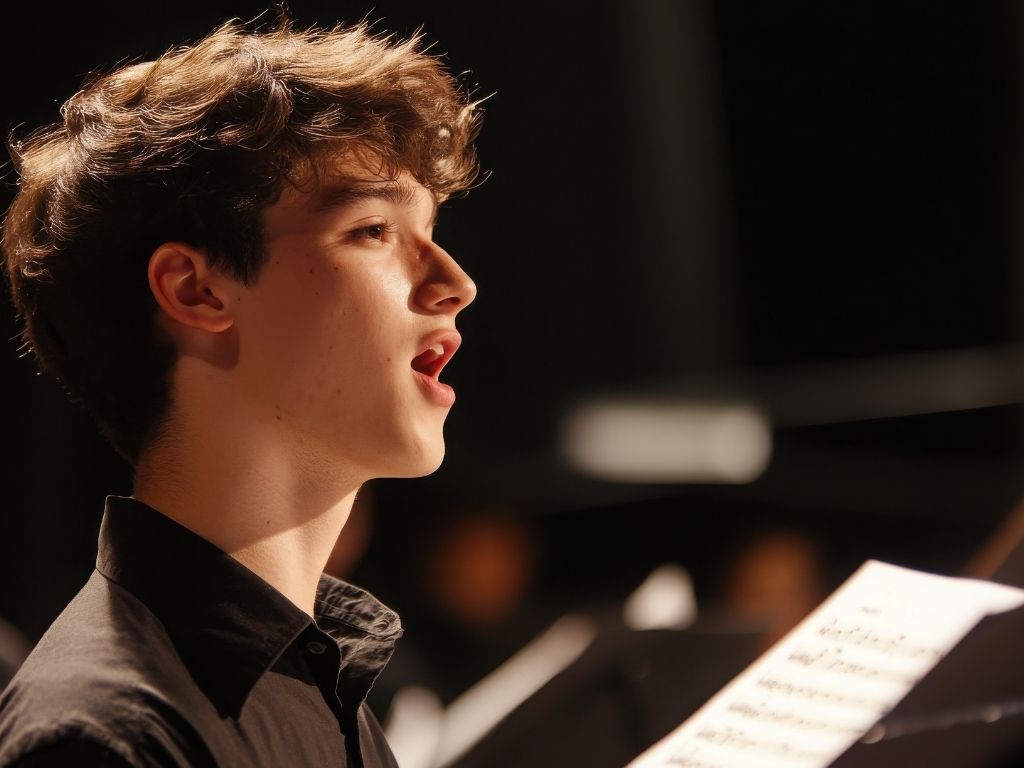
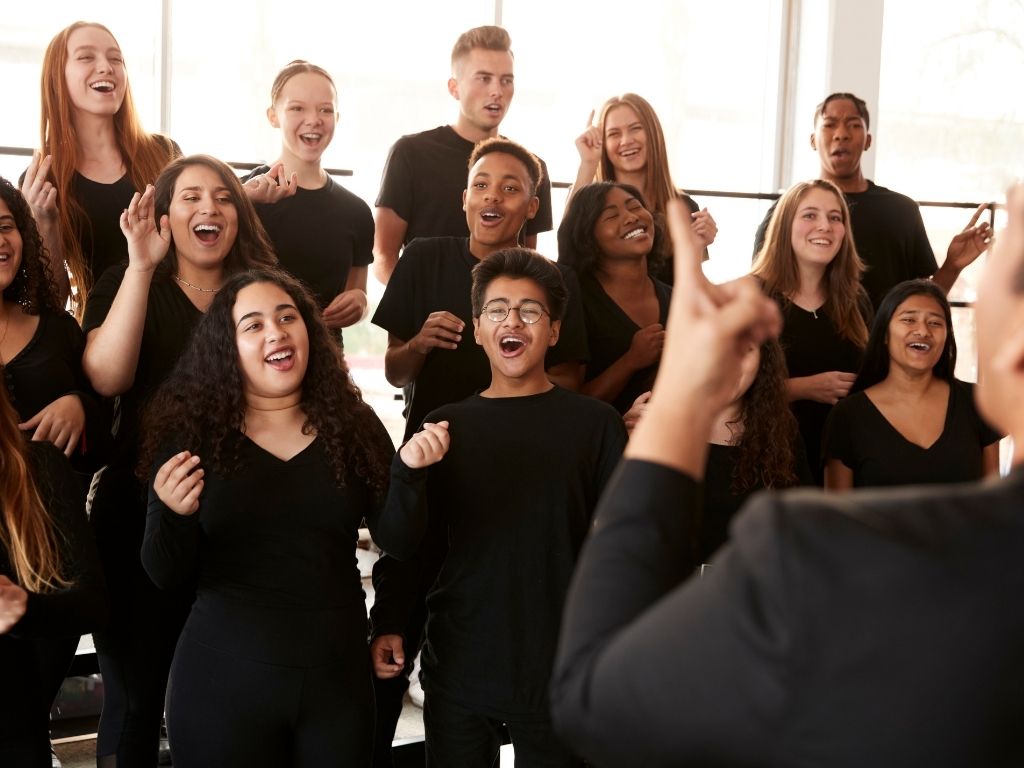
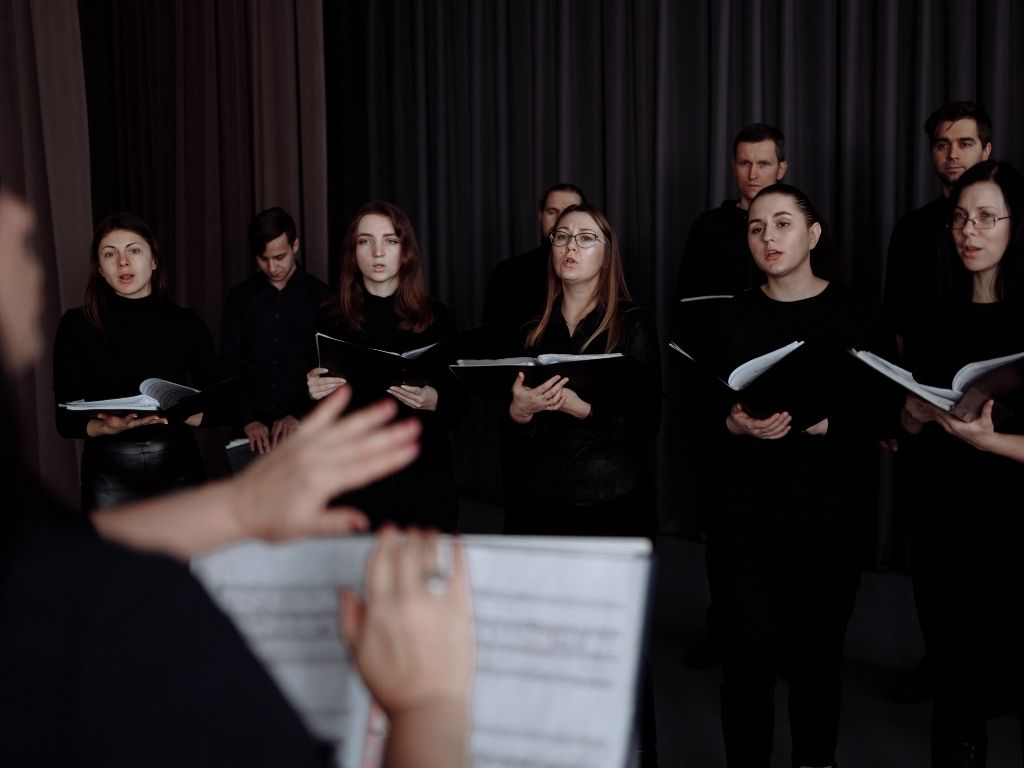
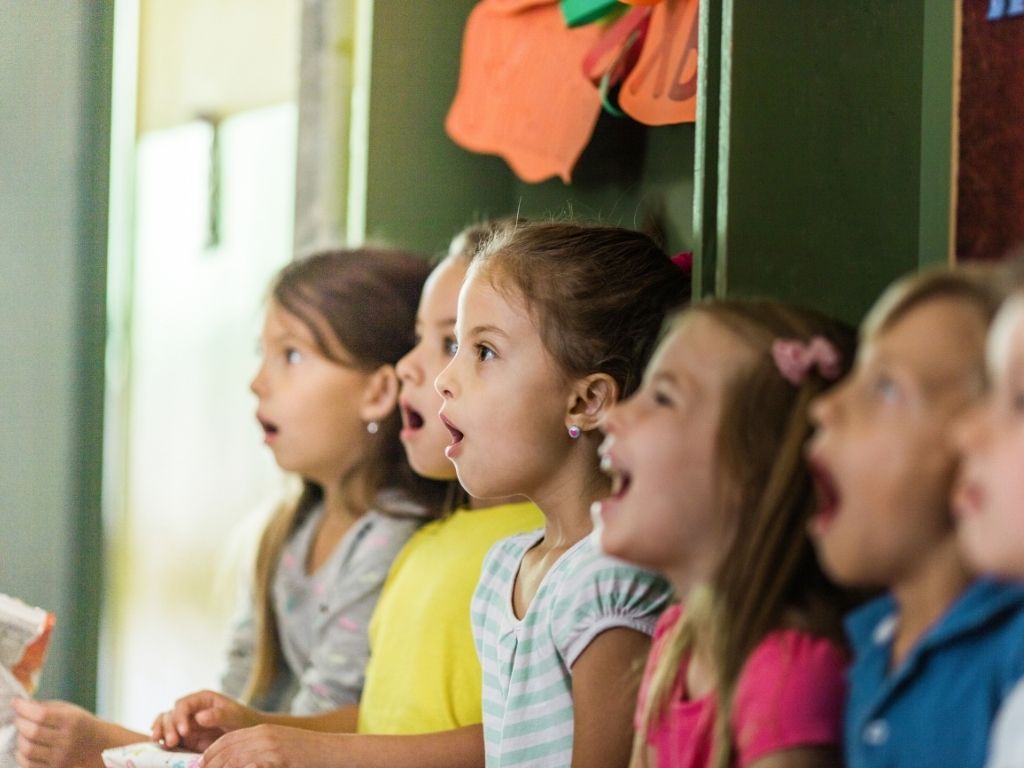
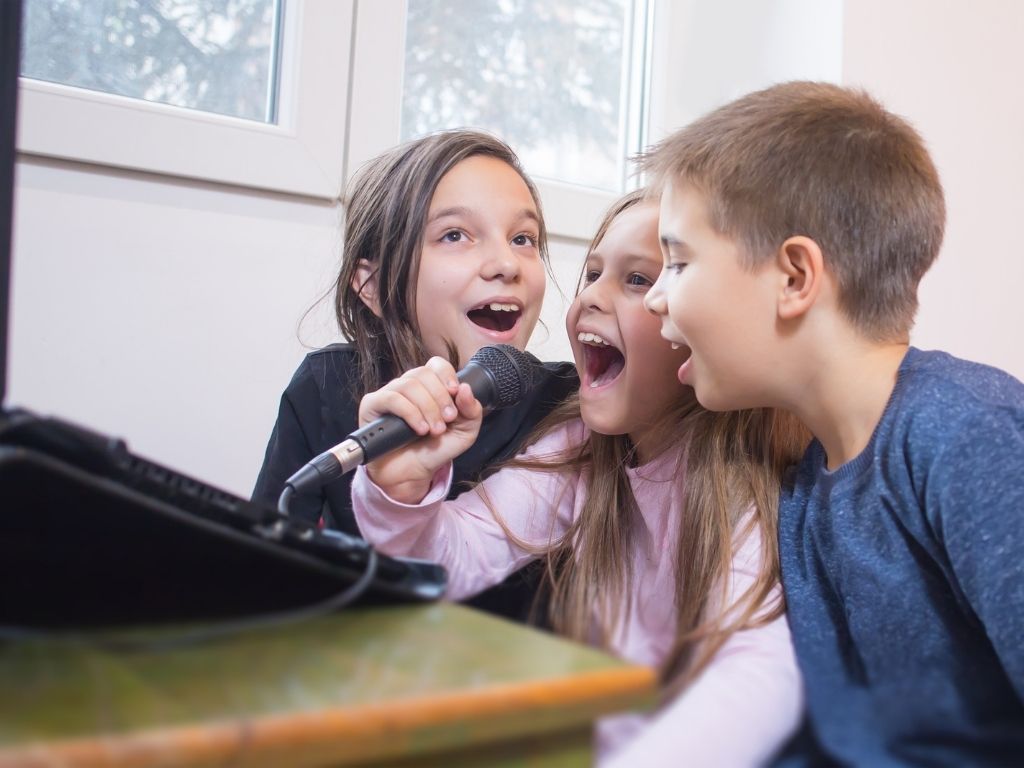
The human voice is a uniquely personal and expressive instrument, offering a direct connection to music across many styles and traditions. Through vocal practice, singers explore repertoire that spans classical, musical theatre, jazz, pop, and global vocal traditions while developing both musical skills and individual artistic expression. All musicians are encouraged to engage in vocal practice, as singing helps build an internal reference for pitch and strengthens ear training, listening, and overall musical awareness. Vocalists can take on both solo and ensemble roles, from choral singing to solo performance and operatic performance, fostering musical communication and connection. Vocal study supports healthy technique, breath awareness, clear tone production, and confident performance skills. Through their studies, students build musical sensitivity, expressive confidence, and a deeper understanding of their own voice.
Piano
Piano
4 years old and up
Suitable for all levels
Private Lesson
30 / 45 / 60 mins
30 mins — $55 per lesson
45 mins — $80 per lesson
60 mins — $102 per lesson
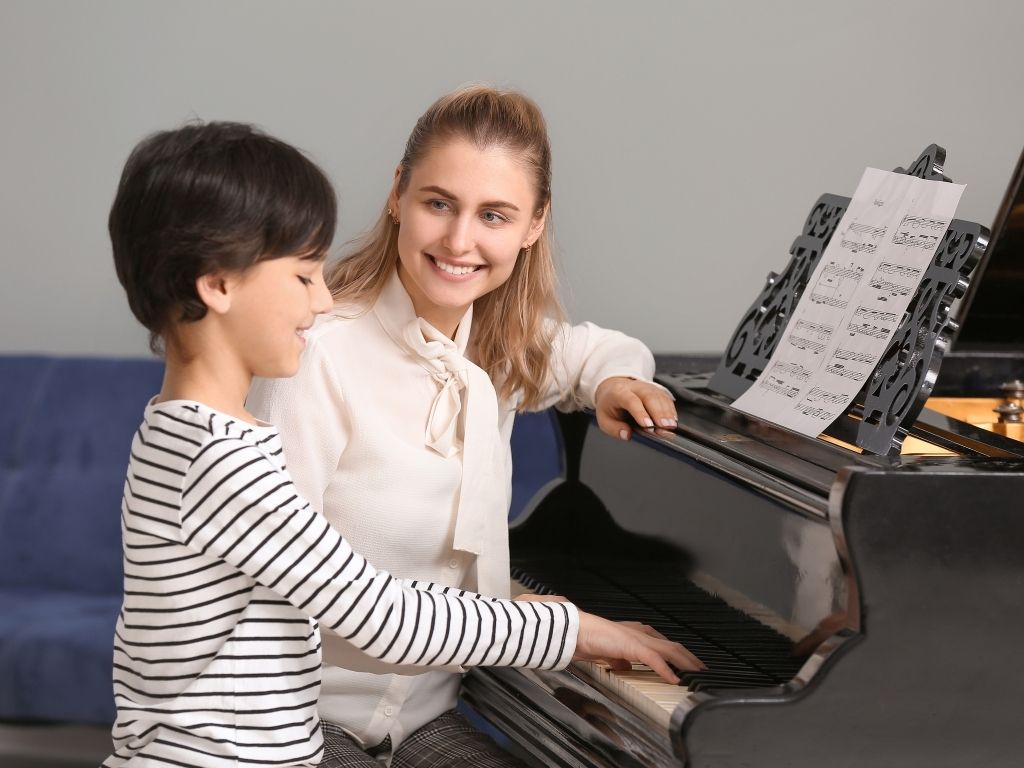
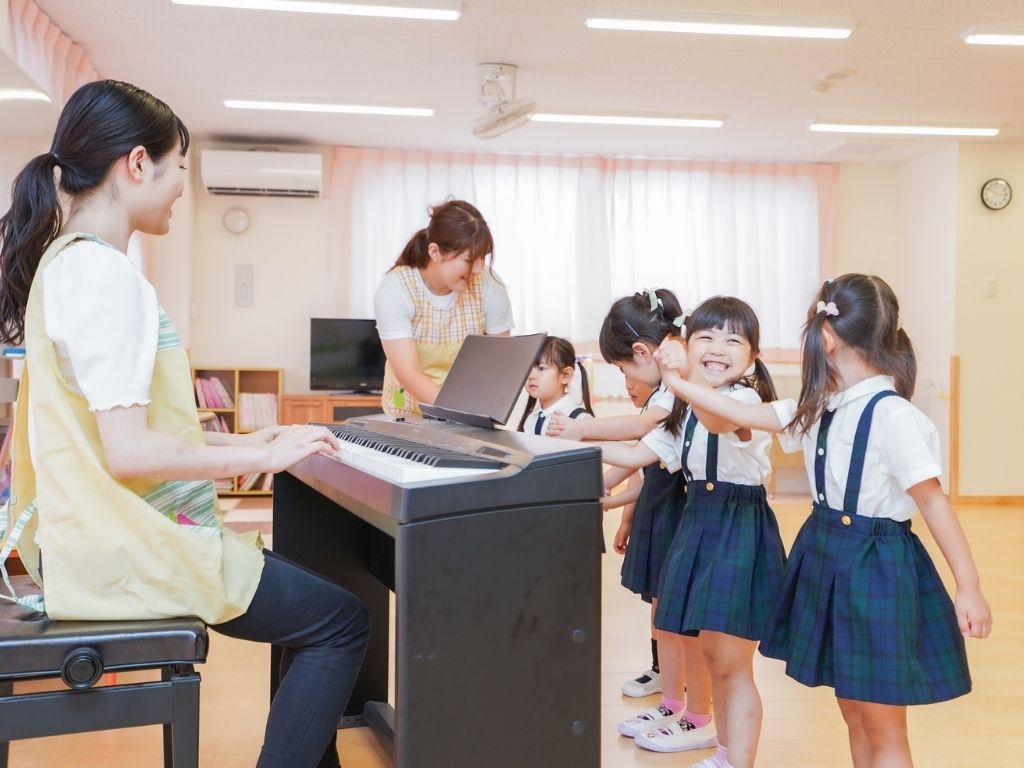
The piano serves as the foundation of modern music education and offers an accessible and versatile entry point into musical study. Through hands-on exploration at the keyboard, students develop coordination, listening skills, musical awareness, and an understanding of how melody and harmony work together. The visual layout of the instrument makes musical concepts clear and intuitive, supporting growth across many styles including classical, jazz, pop, and contemporary music. With engaging repertoire and a supportive atmosphere, here at Moli, students can build confidence at the keyboard while discovering the joy and versatility of making music through the piano.
Violin
Violin
4 years old and up
Suitable for all levels
Private Lesson
30 / 45 / 60 mins
30 mins — $55 per lesson
45 mins — $80 per lesson
60 mins — $102 per lesson
The violin plays a major role in classical music and holds an essential place in the orchestra, where its voice often carries both brilliance and expressive depth. Its widespread repertoire spans concerti, solo works, chamber music, and symphonic literature, offering students rich opportunities for musical exploration. In chamber settings, the violin takes on a dynamic role, leading musical conversations while blending closely with other instruments. Through study at the instrument, students develop a refined sense of listening, tone production, musical sensitivity, and expressive playing. With engaging repertoire and a supportive environment, here at Moli, students can build confidence while discovering the elegance, versatility, and expressive power of the violin.
Guitar
Guitar
5 years old and up
Suitable for all levels
Private Lesson
30 / 45 / 60 mins
30 mins — $55 per lesson
45 mins — $80 per lesson
60 mins — $102 per lesson
The guitar is one of the most versatile and widely used instruments, heard across a vast range of musical styles and traditions. In addition to classical guitar, the electric guitar plays a central role in popular and rock music, where its distinctive sound shapes the character and energy of modern musical culture. Electric guitar is also increasingly featured in contemporary classical music, expanding the instrument’s expressive possibilities in new and creative ways. The guitar’s adaptable voice allows it to serve as both a melodic and harmonic instrument, making it an important presence in solo playing and ensemble settings alike. Guitarists explore music that spans classical repertoire, jazz, rock, pop, folk, and many global traditions, offering endless opportunities for creative expression. Study at the guitar encourages coordination, listening, rhythmic awareness, and musical creativity across styles. Through their studies here at Moli, students can develop confidence, stylistic versatility, and an appreciation for the guitar’s broad musical voice.
Bass
Double Bass
7 years old and up
Suitable for all levels
Private Lesson
30 / 45 / 60 mins
30 mins — $55 per lesson
45 mins — $80 per lesson
60 mins — $102 per lesson
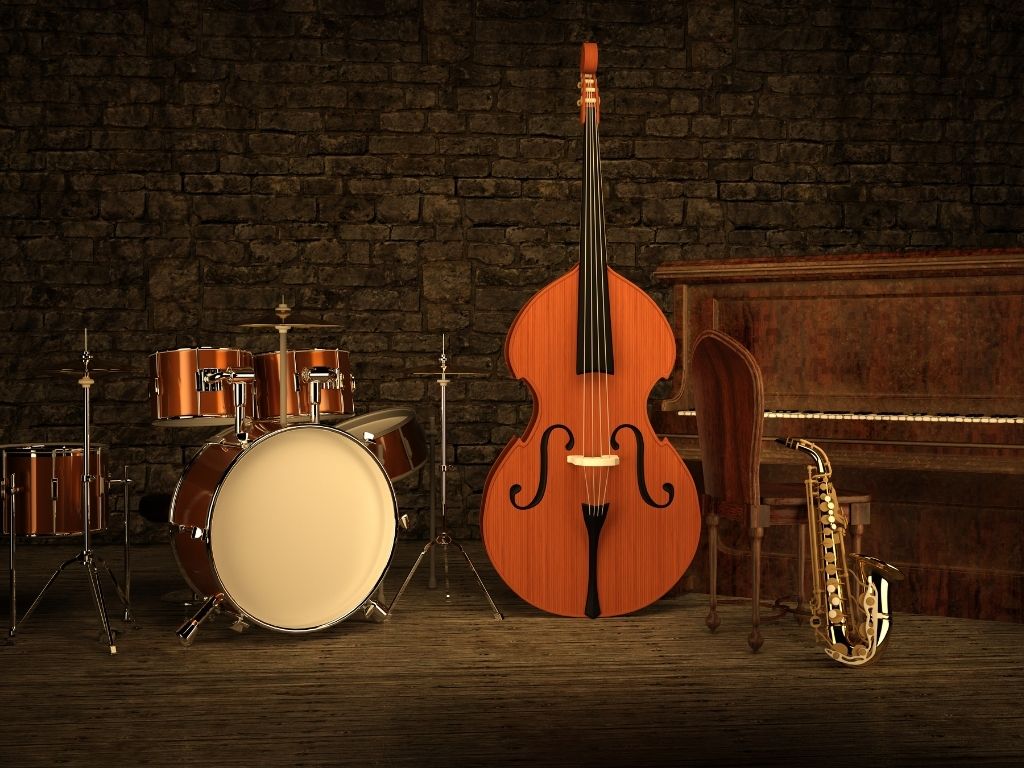
The double bass provides a deep and resonant foundation in ensembles, anchoring the sound with warmth, depth, and rhythmic strength. It plays an essential role in orchestral and chamber settings, supporting harmony and shaping the overall texture of the ensemble. In the world of jazz, the upright bass also holds a central place, driving the groove and outlining harmonic movement while supporting musical interaction. Bassists explore repertoire that spans orchestral literature, chamber music, jazz traditions, and contemporary works, offering a broad range of musical experiences. Study at the instrument fosters a strong sense of rhythm, attentive listening, and musical collaboration. Here at Moli, students are invited to explore the depth, versatility, and expressive character of the double bass.
Drum Set
Drum Set
5 years old and up
Suitable for all levels
Private Lesson
30 / 45 / 60 mins
30 mins — $55 per lesson
45 mins — $80 per lesson
60 mins — $102 per lesson
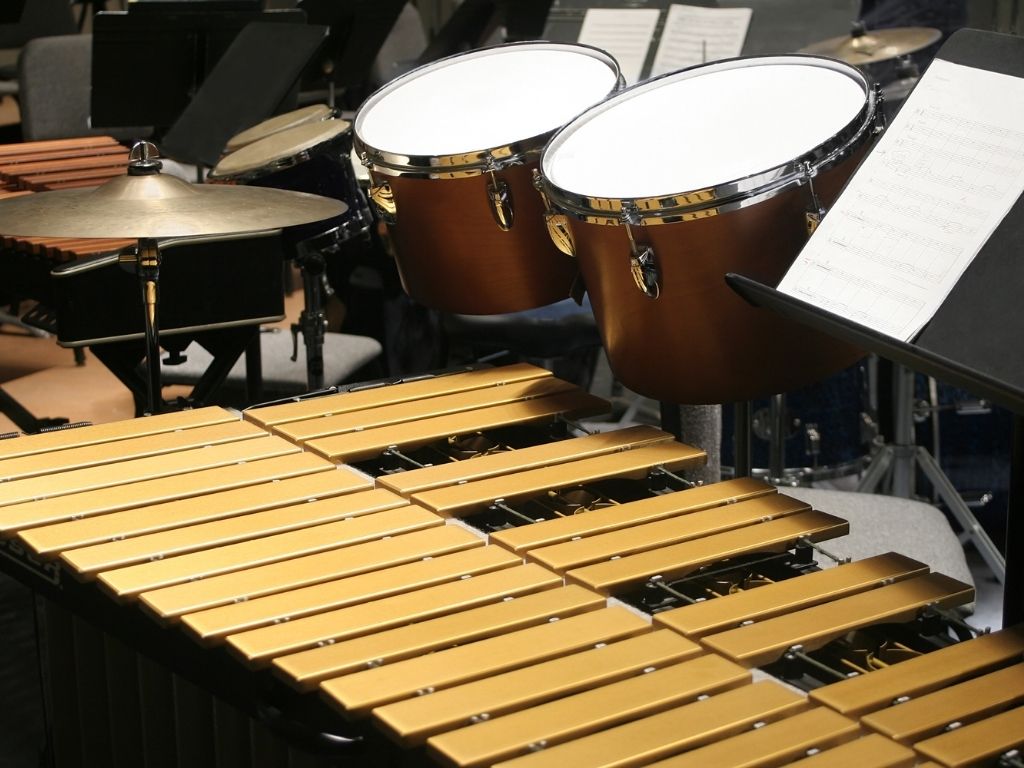
Percussion and drumset offer one of the broadest musical experiences, playing an essential role across all genres of music and many cultural traditions around the world. From orchestral percussion to drumset performance, these instruments provide the rhythmic foundation and color that drive ensembles and shape musical character. Their versatility allows students to explore styles ranging from classical and contemporary music to jazz, rock, pop, and a wide variety of ethnic and global traditions. Percussionists develop coordination, rhythmic precision, listening skills, and musical versatility through hands on experience with a wide array of instruments. Study in percussion encourages creativity, collaboration, and a strong sense of musical timing across many musical settings. Through their studies, students at Moli will gain a deep appreciation for rhythm and the vital role percussion plays in bringing music to life.
Oboe
Oboe
9 years old and up
Suitable for all levels
Private Lesson
30 / 45 / 60 mins
30 mins — $55 per lesson
45 mins — $80 per lesson
60 mins — $102 per lesson
The oboe is a distinctive and rewarding instrument known for its expressive and beautifully focused sound. While it can be more challenging to learn, students who choose the oboe often find a uniquely fulfilling musical path. Because fewer students study the instrument, young oboists often encounter more opportunities and less competition in ensembles and musical settings. The oboe plays an important role in orchestras and chamber music, often carrying lyrical melodies and shaping the color of the ensemble. Studying the oboe nurtures patience, attentive listening, steady breath support, and refined musical sensitivity. Here at Moli, students are invited to explore its deeply expressive voice and the many musical opportunities that come with studying this remarkable instrument.
Composition
Composition
7 years old and up
Suitable for all levels
Private Lesson
60 mins
$102 per lesson
Transform your musical ideas into finished works. This course guides students through melody writing, harmonic structure, form, and arrangement. Whether writing for a solo instrument, small ensemble, or full
Music Production
Music Production
8 years old and up
Suitable for all levels
Private Lesson
60 mins
$102 per lesson
This course teaches the fundamentals of digital audio workstations, recording techniques, beat-making, and mixing. Students learn to create and produce their own tracks, manipulate electronic sounds, record instruments and vocals, and understand the technology that drives today’s music industry.
Jazz Band
Jazz Bands (Youth)
7-17 years old
Suitable for all levels
Band Program (3-8 students)
90 mins
Optional
Optional
Optional
$199/month
Youth Jazz Band offers younger students an exciting opportunity to explore jazz in a supportive and engaging ensemble setting. Through rehearsals and performances, students learn foundational skills such as listening, rhythmic feel, ensemble balance, and musical interaction while becoming familiar with the language and traditions of jazz. This experience encourages curiosity, creativity, and confidence as students begin to develop their musical voice within a group. Participation in Youth Jazz Band helps students grow as collaborative musicians while building a strong foundation for future musical study and performance.
Jazz Bands (Adult)
Adult
Suitable for all levels
Band Program
90 mins
Optional
Optional
Optional
$199/month
This jazz ensemble is designed for participants who already have a basic understanding of jazz and are ready to deepen their connection to the music through active participation. The emphasis is on musical engagement, collaboration, and shared artistic experience, allowing participants to immerse themselves in the energy and spirit of jazz performance. Through rehearsals and performances, participants refine their sense of groove, interaction, and musical communication while exploring repertoire together as an ensemble. This setting fosters confidence, spontaneity, and a deeper appreciation for jazz as a living, expressive art form.
Percussion Program
Concert / Orchestral Percussion
5 years old and up
Suitable for all levels
Private Lesson
30 / 45 / 60 mins
30 mins — $55 per lesson
45 mins — $80 per lesson
60 mins — $102 per lesson
This private lesson introduces students to concert and orchestral percussion, including snare drum, mallet instruments, and basic timpani concepts. Students develop fundamental technique, rhythm skills, music reading, and ensemble awareness, building a strong foundation for school bands, youth orchestras, and future percussion study.
Rhythm & Groove Lab
4 years old and up
Beginner
Group Class (3-10 students)
60 mins
Optional
$159/month
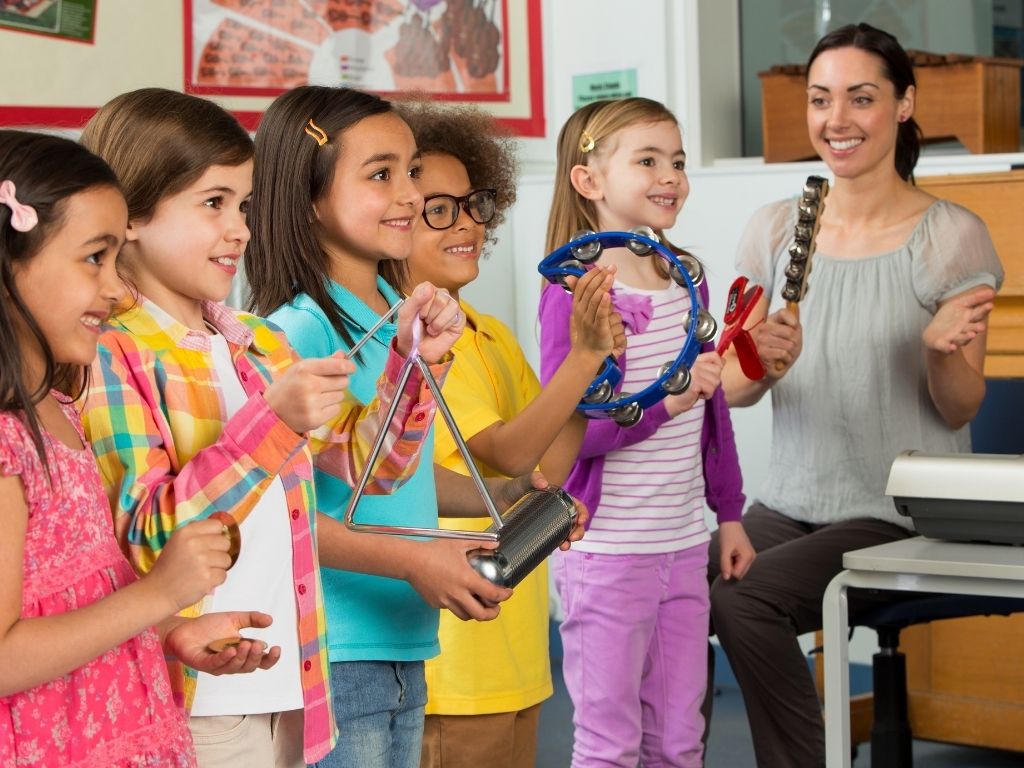
Time and rhythm study develops the fundamental skills that allow students to understand and feel musical pulse, structure, and flow with clarity and confidence. Through focused work on meter, subdivision, rhythmic patterns, and coordination, students build precision and flexibility in their sense of timing across a wide range of musical styles. This training strengthens the ability to internalize tempo, maintain steady pulse, and navigate complex rhythmic structures both individually and in ensemble settings. A strong foundation in time and rhythm supports more confident performance, clearer musical communication, and a deeper connection to the expressive energy of music.
Percussion Ensemble
7 years old and up
Intermediate to Advanced
Group Class (3-10 students)
60 mins
Optional
$159/month
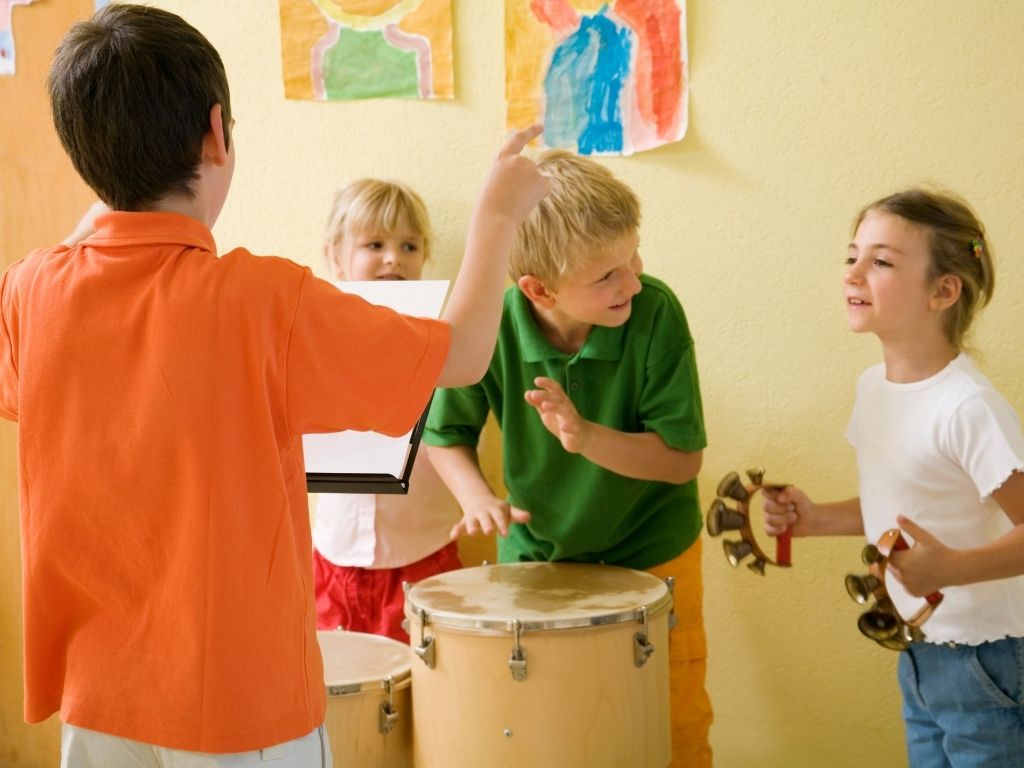
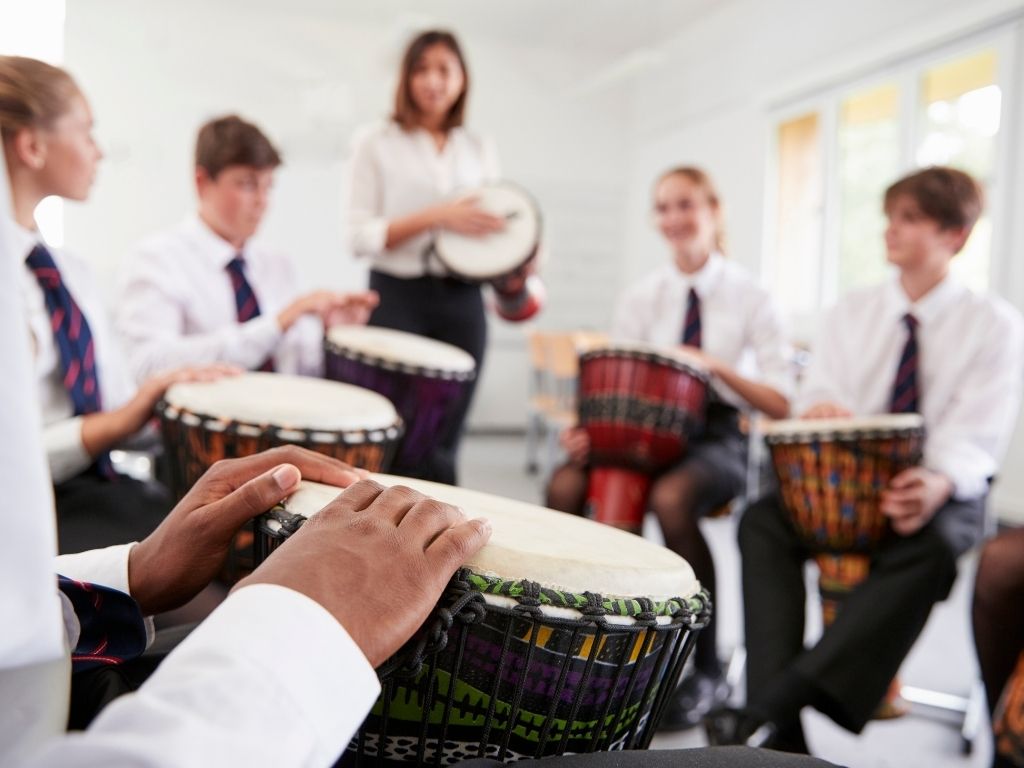
Percussion Ensemble offers students a dynamic and collaborative environment to explore rhythm, texture, and musical color through a wide variety of instruments. All students are welcome to join this ensemble, regardless of their primary instrument, making it a unique opportunity to experience music making in one of its most original and fundamental forms. Working together, students develop strong rhythmic precision, coordination, and attentive listening while learning to balance individual parts within a cohesive ensemble sound. The repertoire often spans classical works, contemporary compositions, and music inspired by diverse cultural traditions, encouraging creativity and musical versatility. Participation in Percussion Ensemble builds performance confidence and strengthens students’ ability to communicate musically while experiencing the excitement of creating rhythm driven music together.
Percussion Foundations
5 years old and up
Beginner
Group Class (3-10 students)
45 mins
Optional
$40 per lesson
This course builds the building blocks of rhythm. Using practice pads and snare drums, students focus on grip, rudiments, and timing. It provides the disciplined technical groundwork necessary before advancing to full drum sets or more complex percussion instruments.
Percussion Ensemble
7 years old and up
Intermediate to Advanced
Group Class (3-10 students)
60 mins
Optional
$40 per lesson
A collaborative class for small groups to experience the joy of playing together. Using a mix of percussion instruments, students learn to keep time as a unit. This course bridges the gap between solo practice and band performance, teaching crucial listening skills and ensemble dynamics.
Jazz Program
Jazz Early Discovery
7 years old and up
Beginner
Group Class (3-10 students)
60 mins
Optional
$159/month
Your first step into the world of jazz. This course introduces the fundamental concepts of swing feel and basic blues forms. Designed for students new to the genre, it creates a low-pressure environment to explore improvisation and learn the history behind the music in a fun, supportive setting.
Jazz & Modern Music Lab
7 years old and up
Intermediate to Advanced
Group Class (3-10 students)
60 mins
Optional
$159/month
For students with basic skills who want to explore jazz and modern styles. The class covers jazz standards, ear-training, rhythm, and moderate improvisation, with a strong focus on ensemble listening and understanding each instrument’s role in the group.
Music Theory & Ear Training
Music Theory & Literacy
7 years old and up
Suitable for all levels
Group Class (3-10 students)
60 mins
Optional
$159/month
Understanding the “why” behind the music. This course covers scale construction, harmony, intervals, and notation. Essential for any serious musician, it provides the tools to read music fluently and analyze scores, accelerating progress in instrumental lessons and composition efforts.
Ear Training
7 years old and up
Suitable for all levels
Group Class (3-10 students)
45 mins
Optional
$159/month
Ear training develops the essential listening skills that allow students to recognize, understand, and respond to musical structures with clarity and confidence. Here at Moli, the curriculum progresses alongside harmony study, allowing students to connect what they hear directly with theoretical concepts as their musical knowledge grows. Through exercises in interval recognition, melodic and harmonic dictation, rhythmic training, and sight singing, students build a strong internal understanding of pitch relationships and musical patterns. Together with harmony study, ear training helps students develop a structured understanding of harmonic language and the ability to recognize, realize, and interpret it in performance and analysis. This integrated approach strengthens musical intuition, supports more confident learning, and deepens overall musicianship.
Choir Program
Moli Youth Choir
7 - 15 years old
60 mins
Optional
$127/month
The Moli Boston Youth Choir brings young singers together in a joyful and supportive community where they can experience the power of singing as a shared artistic expression. Through rehearsing and performing a diverse range of repertoire, choir members develop musical sensitivity, listening skills, and expressive confidence while learning to blend their voices within a collective sound. The ensemble fosters collaboration, creativity, and a strong sense of belonging, encouraging each singer to contribute their unique voice to the group. Participation in the Moli Boston Youth Choir nurtures both musical growth and personal connection, creating meaningful musical experiences that inspire a lifelong love of singing.
Moli Men's Choir
Adult (Men)
90 mins
Optional
$127/month
Discover the power of the male voice. This ensemble focuses on the specific vocal ranges and timbres of men’s choral music. From barbershop to classical, members enjoy a camaraderie-filled atmosphere while developing vocal strength and harmonic blending skills.
Moli Mixed Choir
Adult
90 mins
Optional
$127/month
The Moli Boston Mixed Chorus brings together adult singers in a warm and welcoming community where voices of all backgrounds can explore the richness of choral music. Through rehearsing and performing a diverse range of repertoire, members develop vocal blend, listening skills, and expressive confidence while sharing the joy of collective music making. The ensemble encourages collaboration, musical growth, and meaningful connection, allowing singers to engage with the music at their own pace in a supportive environment. Participation in the Moli Boston Mixed Chorus offers a fulfilling artistic experience that celebrates the beauty, warmth, and expressive power of singing together.
A Cappella Ensemble
Adult
90 mins
Optional
$127/monthly
Creating music without instruments, this advanced group relies solely on the human voice for melody, harmony, and rhythm. Students learn tight harmonies, pitch precision, blend, and vocal independence while exploring contemporary a cappella repertoire in a collaborative and performance-focused setting.
Choir Program
Moli Mothers' Choir
Adult (Women)
90 mins
Tue. 10:00-11:30 AM
$199/semester
A welcoming Chinese-language choir for mothers seeking connection, relaxation, and joy through music. Through singing Chinese songs together, participants build community, share meaningful moments, and find a space to unwind, recharge, and care for their well-being in a supportive group environment.
Moli Children's Choir
5 - 9 years old
60 mins
Sat. 9:00-10:00 AM / Sun. 1:00-2:00 PM
$199/semester
A joyful introduction for young singers. Through games and simple Chinese songs, children explore their voices, develop pitch, and naturally learn Chinese through singing. This choir builds early musical confidence while offering a fun and immersive group music experience.
Ensemble
Improvisation
7 years old and up
Suitable for all levels
Ensemble (3-8 students)
90 mins
Optional
Optional
Optional
$199/month
Improvisation offers students a space for creative exploration and personal expression within a supportive and open musical environment. Without stylistic boundaries, students are encouraged to improvise in the musical language that feels most authentic and inspiring to them in the moment, allowing their individual artistic voice to emerge naturally. Through shared musical dialogue, students deepen their ability to listen, respond, and shape musical ideas spontaneously while cultivating confidence and creative awareness. This experience fosters imagination, openness, and a deeper connection to the act of music making as a living and evolving art form.
Focused Studies Program
Focused Studies Program
Ages 7 and up
Private Lesson
Tuition is determined through consultation
This program is designed for students who benefit from a more focused and individualized learning approach. Lesson content, tuition, and scheduling are arranged through consultation based on each student’s needs.
Online Private Lesson
Online Private Lessons
Ages 7 and up
Private Lesson
Tuition is determined through consultation
Moli Online Private Music Lessons offer the same high-quality instruction as our in-person private lessons, covering all instruments and subjects available on campus. Lessons are taught one-on-one by Moli faculty and follow the same curriculum and policies